How to Achieve Stormwater Neutrality in Your New House

Due to excessive urbanization, floods and waterlogging have become commonplace in cities. In a natural setting, soil and tree canopies can absorb most of the rainfall. However, when rain falls on impervious surfaces, such as roads, roofs, and paved streets, it does not get absorbed and results in waterlogging. Stormwater drainage networks help in preventing this issue by diverting the water from source destination to the nearby water bodies. However, they fail to work properly in case of heavy rainfall. To address the issue of stormwater mismanagement, it is important that every residential and commercial complex should adopt the principle of hydraulic neutrality. In this write-up, we have suggested some tips in this regard:

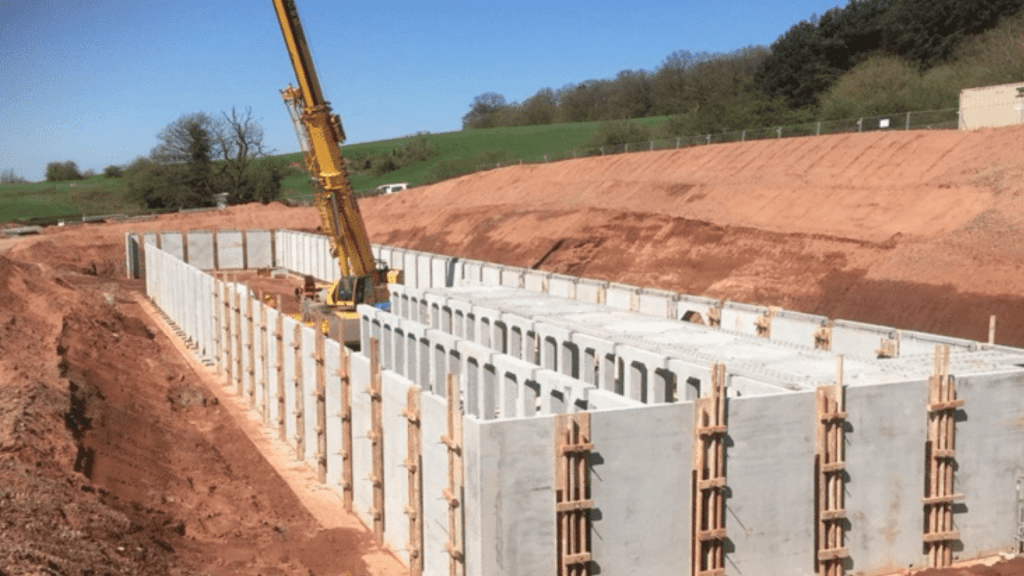
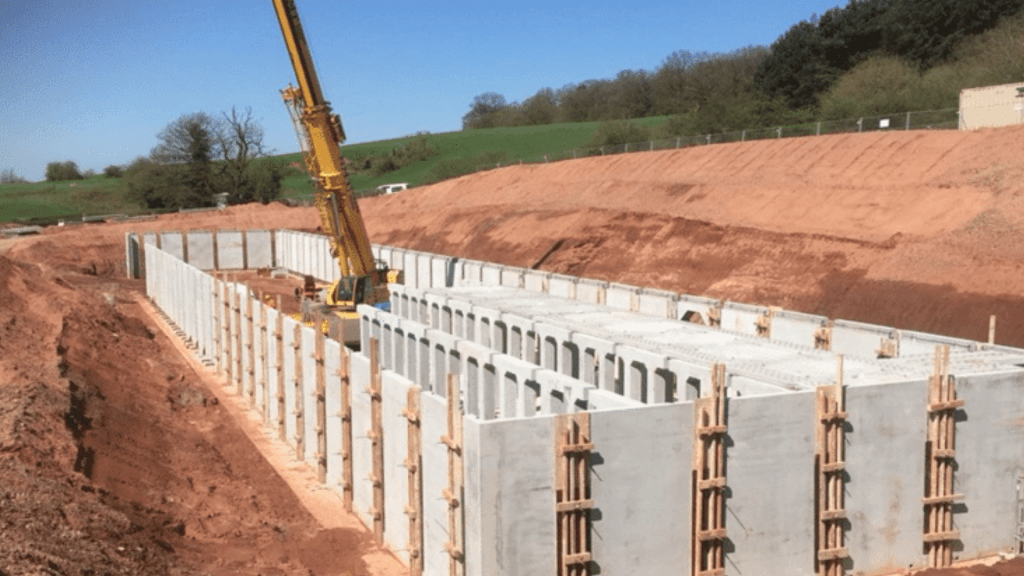
  • Reduce the load on stormwater drainage network- Due to excessive rainfall, the storm drains receive gallons of water at a time. As a result of this, the stormwater drainage pipes receive excessive pressure and may burst. Moreover, the stormwater drainage networks have a limited capacity and in case of heavy rainfall, it fails to manage the entire stormwater at a time. To reduce excessive load on the stormwater drainage pipes, each household should install a stormwater attenuation tank. This tank helps in detaining the entire rainwater falling on a residential campus. By using a flow control device, the water stored in this tank can be diverted to the main stormwater drainage network at a moderate rate. Alternatively, this water can be reused for cleaning, washing, and gardening.
  • Create more pervious surfaces- To restore the natural hydrological system, we should create more pervious surfaces around our house. If your house is located in a rain-prone area, then you should consider constructing a soak pit. Plus, you should also implement green infrastructure practices, such as bioswales, rain gardens, green roofs, infiltration planters, permeable pavements, tree boxes, and rainwater harvesting systems. New buildings should incorporate wetlands as an attractive landscape feature. These practices make combined use of green plants and soil, which are excellent absorbers of water. Therefore, they assist in the process of underground water recharging.

Conclusion– To achieve stormwater neutrality, every residential complex should make use of stormwater attenuation plants and green infrastructure practices. Installing a domestic stormwater attenuation tank helps in detaining and harvesting stormwater. Plus, the proper use of rain gardens, grasses, and trees helps in controlling the flow and volume of stormwater.
Some Important Considerations While Designing a New Residential Development

When constructing a residential project, builders and developers have the choice of following a broad array of designs and architecture. But it is not sufficient to create a home that is durable and comprises an appealing interior layout. Besides all the parameters that make a residential project successful, it is important to focus on the need to tackle stormwater. In this regard, it is important to understand that rapid urbanization has been a major reason behind flooding as by building houses, we have disturbed the natural rainwater harvesting system.

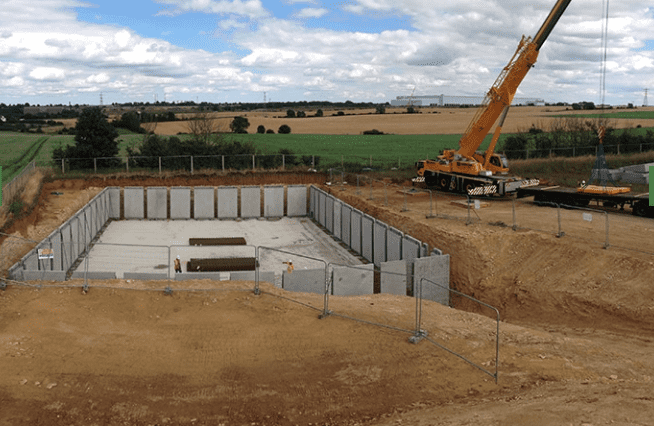
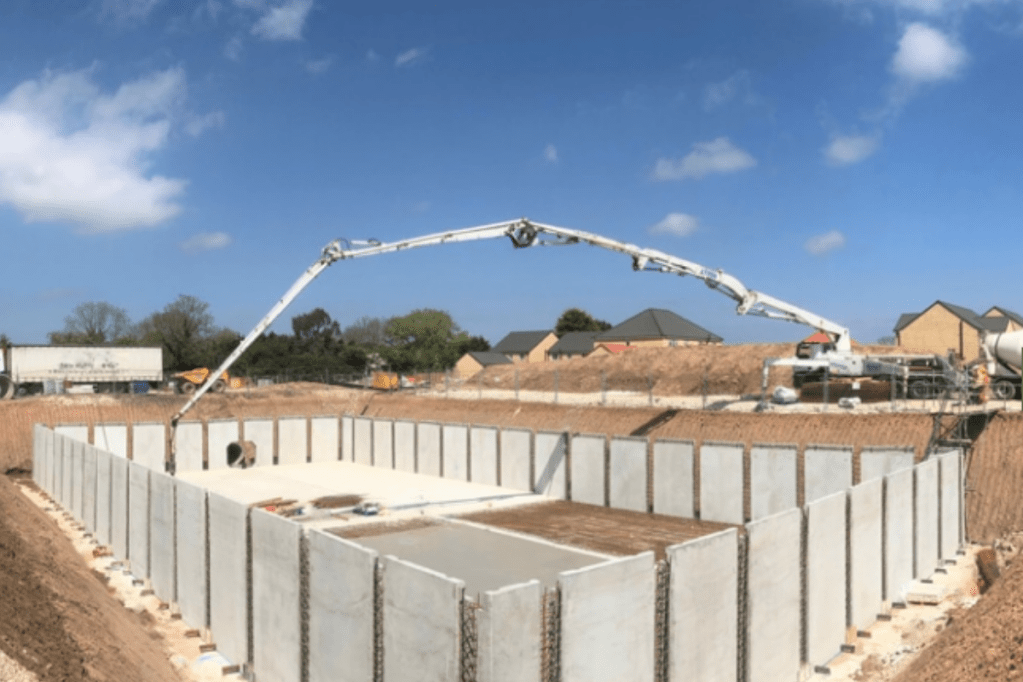
Thus, while designing a new residential development, it is important to plan a proper stormwater attenuation system so that your development does not cause flooding to nearby areas. The purpose of the rainwater attenuation system is to temporarily store runoff. And, once this water is stored, it can be diverted into the main drainage system.

It is important to remember that surface water runoff can carry away various types of pollutants, such as fertilizers, dirt, oil, and grime, which may end up polluting the system. Therefore, we need to filter this water, before discharging into local water bodies. But there are numerous ways which can help us avoid stormwater pollution. Here, we have mentioned a few of them:

1) You need not dump anything into the storm drains. Plus, make sure to clear away leaves and debris.

2) Plant a rain garden to collect runoff from your roof and gutters.

3) You should decrease the likelihood of pests in the lawn.

4) Leaving the clippings on the lawn can also help block weeds and retain moisture.

5) Plant native, low maintenance grasses and trees.

6) Clean up the area near the stormwater tank on a regular basis.

7) Try to be sure to minimize the amount of ice-melt used.

8) Minimize the impervious surfaces around the residential complex. Instead of asphalt and concrete surfaces, use bricks, gravel and other types of permeable pavers.

Detention and Retention: The Two Important Techniques of Stormwater Management 

Flooding has become a common phenomenon these days. In urban areas, the natural rainwater conservation system does not work properly. And, designing a sewage system for the harshest rainfall may not be possible. Stormwater attenuation system is the way to manage the flow of rainwater, thereby avoiding a flood-like situation. Under demanding rainfall conditions, it helps in collecting the surface runoff into a tank and releasing the stored water into the sewage system. There are two ways in which individual properties can reduce the rate at which they release stormwater: retention and detention.

Although both retention and detention are functional in regulating the flow of stormwater, there is a major difference between the two processes. While detention implies storing stormwater and releasing it at a controlled rate, retention involves storing stormwater for on-site use. Here, it is important to note that stormwater detention and retention achieve synergy when deployed together. There are two types of stormwater management systems i.e., rooftop systems and subsurface systems.

1) Rooftop Stormwater Management System

There are two types of rooftop stormwater management systems i.e., blue roofs and green roofs. Blue roof accumulates water and releases it into the main sewage system at a controlled rate via roof drains. And, green roofs are used as a layer of soil and vegetation to manage floodwater. It uses both detention and retention. They have a higher tolerance for roof inclination.

2) Subsurface Stormwater Management System

There are four main components of the stormwater management system that include storage tanks, gravel beds, perforated pipes, and stormwater chambers. These components provide both detention and retention. Storage tanks are made up of concrete or corrugated metal pipe or cast concrete. They are available in various shapes and are mostly compact.

The subsurface stormwater management system is more effective for large outdoor spaces. As they are installed underground, an advantage of subsurface systems is that they are hidden from sight.

Unraveling Stormwater Attenuation System

Stormwater Attenuation system

Stormwater attenuation system refers to the manmade technique by which stormwater or rainwater is restricted from creating a flood-like situation. Sometimes, heavy rainfall or hurricanes can cause a disastrous situation- creating excess waterlogging and destroying public utility services. Therefore, every residential area should comprise a stormwater management system.

As rainwater can drain away everything lying in its path, it can flood lower-lying areas even more quickly. However, by collecting the water into a stormwater attenuation tank, and then, diverting the collected water slowly into nearby water bodies, this risk can be averted. The floodwater is released at a controlled rate so that further flooding is prevented.

A stormwater attenuation system can be built using a range of components, such as drainage pipes, separators, and stormwater attenuation tanks. Road pavements, high-rise buildings, and car parks can interrupt the drainage process. Therefore, stormwater and manmade attenuation system require the construction of water-impermeable surfaces.

Increasing the size of the stormwater watercourse can improve the water retention capacity of the stormwater attenuation system. Apart from that, the stormwater attenuation system has to be connectible with established products and be adaptable to either load-bearing or non-bearing systems. A functional stormwater attenuation system requires an elevator to create space underneath. This underground space is utilized to fit a tank for storing floodwater. The stormwater attenuation tanks can be designed in customized shapes and sizes. And, the lid over the tank can withstand up to 80-tonne vehicle parking. Stormwater attenuation tanks are sometimes used with soakaway Crates to capture water and store it elsewhere. Both of them are perfect for groundwater infiltration, so are a very effective way to capture rainwater. Where the soakaway crate has the ability to capture water from surrounding areas, a separate tank has the ability to capture water from a wide area by using connected pipes.

How does stormwater attenuation tanks work?

After heavy rain, water can build up in gutters, driveways, and open spaces, creating a flood-like situation. If excess water is accumulated in drains, then it can cause the pipes to burst with excess pressure. And, in worse conditions, it can cause flooding leading to excessive damage to public and private assets. To avoid it, every residential project must comprise a stormwater attenuation system.

Stormwater attenuation tanks are useful in storing, capturing, and storing excess rainwater, thereby avoiding water logging or flooding. Used in both commercial and domestic projects, they provide a natural way to groundwater infiltration. Due to being simple, cost-effective and easy to install, they have become an everyday item found in almost all types of construction projects. Unlike natural soakaways, which are essentially a hole dug into the ground and filled with pebbles, stormwater attenuation tanks are durable cylindrical-shaped structures made up of plastic or cement.

These tanks are installed below the ground and comprise outlets to divert water slowly into the main drainage system. The tanks are covered by a durable surface on the top which can withstand up to 80-tonne vehicles.

Stormwater attenuation system rests on the ability to capture floodwaters, before releasing it slowly into their natural drainage pathways. Therefore, it must comprise an elevator that elevated the level of the ground and creates a space in which the floodwater can be accumulated through a tank. The tank is generally 2.5 m deep but can be customized to fit large-scale demand.

In some cases, stormwater attenuation tanks can be used along with soakaway crates to capture water and store it elsewhere. And, a separate tank can capture water from a very wide area using connected pipes.

At Carlo Concrete, we have the requisite products and staff to help you build a proper stormwater attenuation system.

What Is Stormwater Attenuation Solution And How It Works?

Stormwater attenuation solution is the process of storing excess stormwater or floodwater. It refers to a manmade system that controls the water, store it in a tank and releases it at a restricted rate. Practically, every residential building must comprise a stormwater attenuation tank to avoid waterlogging and flooding. The tank is covered by constructing a hard surface (roofs, patios, driveways, etc.), which can be further used for car parking. In case of increase runoff, the natural soakage and vegetation around the tank can slow the runoff.

The effects of increased runoff on stormwater attenuation solution

Sometimes, an increase in water flow can have many effects on the stormwater attenuation system, including increased surface water, flood, and possible flooding potential. It might increase the stress on the piped network, leading to it failing earlier. Moreover, sometimes the water force might cause soil erosion around the water tank, thereby, bringing all the mud and dirt into the pipes. Taking care of all these mishappenings that might occur, it’s important to use quality equipment.

Simple tips to manage stormwater

1) When preparing the building foundation, you need to avoid cut and fill on your block.

2) To stop the adverse effects of soil erosion, it’s important to grow deep-rooted plants and trees around the tank. Apart from that, make sure that the surface around the stormwater tank can absorb extra water. This can be achieved by minimizing the area of impervious traps (e.g. concrete driveways) and employing sediment traps instead.

3) Before installing infiltration trenches, you should consider the type of soil- avoid using clay soil, and it’s best to use sandy soil as it possesses excellent infiltration capacity. Apart from that, ensure that the soil has sufficient depth; otherwise, it may require some stormwater pipes to remove water for discharge off-site.

All You Need To Know About Stormwater Attenuation

Stormwater Attenuation

Stormwater attenuation is the process by which rainwater or flood water is retained on-site and then channeled to different drainage sources or watercourse. It is an effective way to deal with flooding when planning a new infrastructure project. This manmade system helps in a variety of stormwater events, such as snowmelt, rain, or hurricanes. So, practically every residential project must comprise a stormwater attenuation tank and manmade attenuation techniques. A stormwater tank can capture water from very wide areas through connected pipes.

The first step to constructing a stormwater attenuation system is installing a stormwater tank that must have a greater capacity to hold the surface water. These days, one can get a customized stormwater tank that would perfectly meet their project’s demands. This tank should be 2.5m deep on an average. To install it at the desired place, an elevator is used which raises the level of the ground and creates a space for the tank. This tank is perfect for groundwater infiltration. And, the best thing is its top cover can sustain up to 80-tonne load, thus great as a parking space. Moreover, it requires low investment and is very easy to maintain.

Maintenance Considerations

One of the most important maintenance needed for a stormwater attenuation is to ensure that the orifice should not become blocked or clogged. The pipes should be kept clean and free from debris deposition. Apart from that, you need to identify the sources of erosion and manage ways to remove sediments to prevent the outlets from being blocked. To ensure that there would be no soil erosion in the nearby areas, grasses can be planted all around.

A Simple Guide To Subsurface Stormwater Management

Stormwater Attenuation – Carlow Concrete

Stormwater management is the way by which stormwater or rainwater is collected in a tank or diverted underground to stop flooding. These days, most residential projects and colonies comprise stormwater attenuation tanks to store the water collected from rain and storm. Establishing a stormwater management system is important in light of the fact that urban areas are mostly impermeable and thus, do not support the natural process of water absorption that earth uses to collect and clean rainwater. Among the various techniques of stormwater attenuation, the subsurface stormwater management system is the most common one.

In this method, stormwater is stored by using perforated pipes, stormwater chambers, gravel beds, and perforated pipes. The stormwater chambers are prefabricated tanks that are embedded in the ground to retain rainwater. Available in different shapes and sizes, the storage tank is another important device that is made from prefabricated concrete or corrugated metal pipe. Now, as implied by their name, gravel beds are excavated areas that are filled with gravels. They soak a large amount of water by using the spaces between graven grains, which is then allowed to infiltrate underground. While this system occupies more space than the other three options, it achieves the highest soil infiltration due to the absorption area. And, the last option which is perforated pipes is used to enhance the rainwater holding capacity.

The subsurface stormwater system is effective when a residential colony has sufficient outdoor space. They are deployed in basements where the sewage system is quite apart. It should be created at least three feet above the groundwater level and 10 feet away from the building’s foundation. The advantage of this system is that it can be completely covered by a concrete structure or with landscaping.

Design a site like this with WordPress.com
Get started