
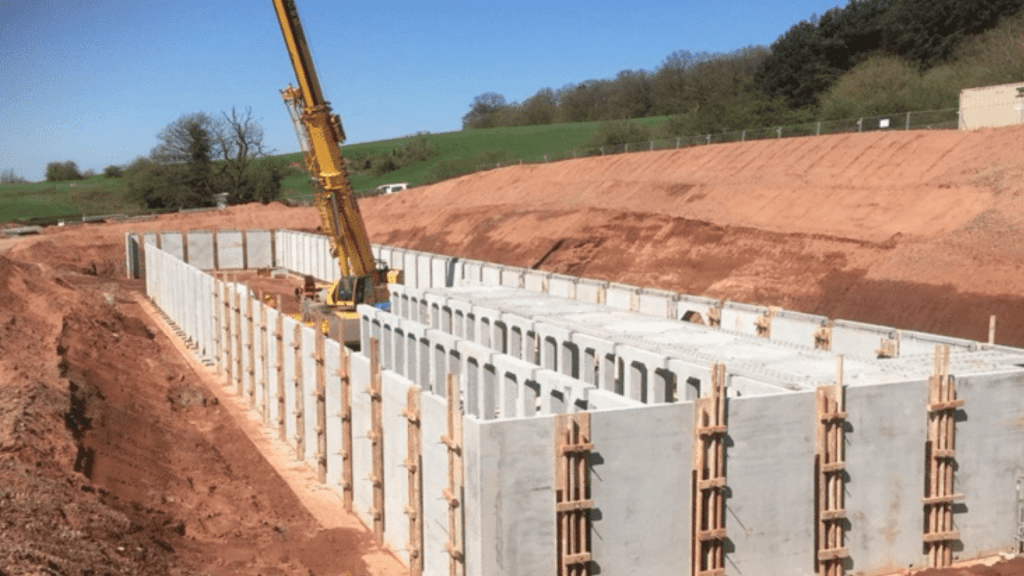
Stormwater attenuation is the process by which rainwater or flood water is retained on-site and then channeled to different drainage sources or watercourse. It is an effective way to deal with flooding when planning a new infrastructure project. This manmade system helps in a variety of stormwater events, such as snowmelt, rain, or hurricanes. So, practically every residential project must comprise a stormwater attenuation tank and manmade attenuation techniques. A stormwater tank can capture water from very wide areas through connected pipes.
The first step to constructing a stormwater attenuation system is installing a stormwater tank that must have a greater capacity to hold the surface water. These days, one can get a customized stormwater tank that would perfectly meet their project’s demands. This tank should be 2.5m deep on an average. To install it at the desired place, an elevator is used which raises the level of the ground and creates a space for the tank. This tank is perfect for groundwater infiltration. And, the best thing is its top cover can sustain up to 80-tonne load, thus great as a parking space. Moreover, it requires low investment and is very easy to maintain.
Maintenance Considerations
One of the most important maintenance needed for a stormwater attenuation is to ensure that the orifice should not become blocked or clogged. The pipes should be kept clean and free from debris deposition. Apart from that, you need to identify the sources of erosion and manage ways to remove sediments to prevent the outlets from being blocked. To ensure that there would be no soil erosion in the nearby areas, grasses can be planted all around.
 Storm Water Attenuation Article