When constructing a residential project, builders and developers have the choice of following a broad array of designs and architecture. But it is not sufficient to create a home that is durable and comprises an appealing interior layout. Besides all the parameters that make a residential project successful, it is important to focus on the need to tackle stormwater. In this regard, it is important to understand that rapid urbanization has been a major reason behind flooding as by building houses, we have disturbed the natural rainwater harvesting system.
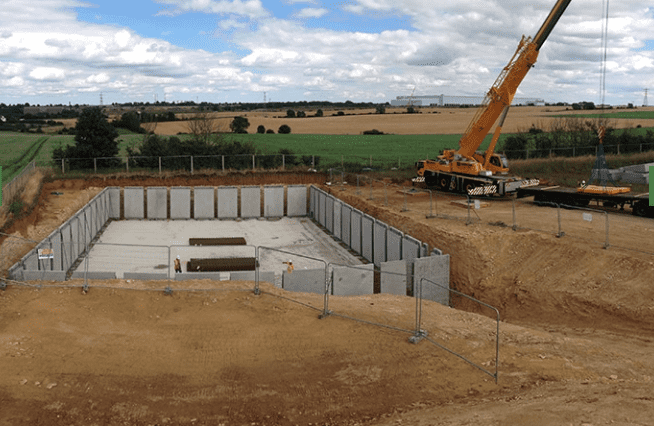
Thus, while designing a new residential development, it is important to plan a proper stormwater attenuation system so that your development does not cause flooding to nearby areas. The purpose of the rainwater attenuation system is to temporarily store runoff. And, once this water is stored, it can be diverted into the main drainage system.
It is important to remember that surface water runoff can carry away various types of pollutants, such as fertilizers, dirt, oil, and grime, which may end up polluting the system. Therefore, we need to filter this water, before discharging into local water bodies. But there are numerous ways which can help us avoid stormwater pollution. Here, we have mentioned a few of them:
1) You need not dump anything into the storm drains. Plus, make sure to clear away leaves and debris.
2) Plant a rain garden to collect runoff from your roof and gutters.
3) You should decrease the likelihood of pests in the lawn.
4) Leaving the clippings on the lawn can also help block weeds and retain moisture.
5) Plant native, low maintenance grasses and trees.
6) Clean up the area near the stormwater tank on a regular basis.
7) Try to be sure to minimize the amount of ice-melt used.
8) Minimize the impervious surfaces around the residential complex. Instead of asphalt and concrete surfaces, use bricks, gravel and other types of permeable pavers.
 Storm Water Attenuation Article